Step-by-Step Approaches to Achieving Flawless Drywall Repair Service and Installation
Attaining perfect drywall repair and setup calls for an organized technique. It includes recognizing the different types of drywall and the tools essential for the job. Appropriate location preparation is vital before beginning any type of work. Interior Painting. Each action, from patching openings to setting up new sheets, demands attention to information. The procedure does not finish with setup; completing strategies are important for a sleek appearance. The next steps will guarantee a seamless result, but what specifically do they involve?
Understanding Drywall Types and Devices Needed

The setup tools are equally important. An energy knife is important for cutting drywall sheets, while a drywall saw can assist in making specific cuts for electrical outlets or components. T-squares ensure exact dimensions, and drywall screws or nails protect the panels to wall studs. In addition, a drywall lift can assist in the installment of big sheets, lessening physical pressure. Knowledge with these devices and kinds significantly adds to the efficiency and top quality of drywall tasks.
Preparing the Location for Repair Work or Installation
Preparing the area for drywall repair work or installment is important to assure a smooth and reliable procedure. The surrounding room must be removed of furniture and other obstacles to give adequate functioning space. This not just ensures safety and security but likewise prevents damage to belongings. Next, it is necessary to cover the floor with decline cloths to catch any debris or dirt generated throughout the job.
Furthermore, the walls ought to be checked for any type of loosened paint or wallpaper that may hinder bond. Eliminating these elements develops a clean surface for the brand-new drywall. Prior to start, it is advisable to shut off power to electric outlets or fixtures in the area. Making certain ample illumination in the office will further boost exposure and emphasis throughout the fixing or installation procedure. Interior Painting. By carefully preparing the location, one prepares for a successful drywall job
Step-by-Step Refine for Patching Holes
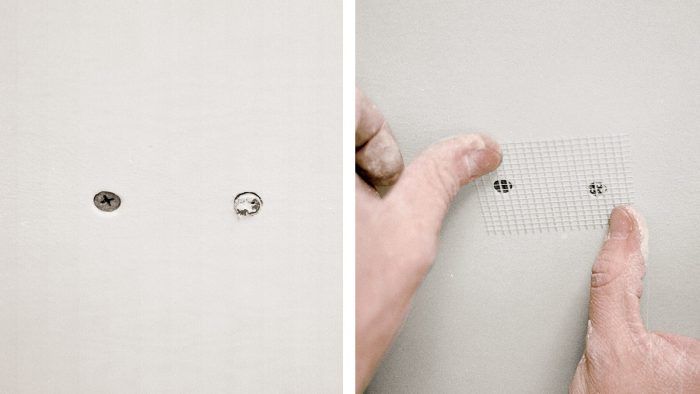
Patching holes in drywall needs an organized technique to assure a seamless repair. The primary step involves reviewing the dimension of the opening. For little openings, a patching compound might be enough, while bigger openings necessitate a patch. Next, the broken area ought to be cleaned up and prepared by eliminating any type of loosened particles.
For little openings, using spackling compound with a putty blade is suggested, smoothing it over the hole and feathering the sides. As soon as dry, sanding the location guarantees a smooth surface. For larger holes, a drywall spot must be reduced to size, positioned over the opening, and secured with screws. After setting up the spot, the very same spackling procedure is repeated, followed by sanding.
Lastly, the patched area must be topped and repainted to match the bordering wall. This thorough procedure assures an expert appearance and prolongs the lifespan of the fixing.
Setting Up New Drywall Sheets: A Comprehensive Overview
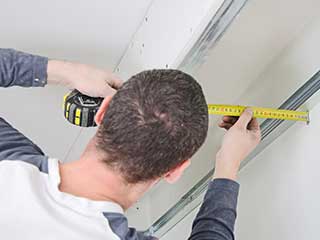
Setting up brand-new drywall sheets requires mindful planning and execution to assure a strong and visually appealing surface. The area should be measured precisely to establish the number of sheets required. It is vital to choose the appropriate density, typically 1/2-inch for indoor walls and 5/8-inch for ceilings or fire-rated applications.
Next, the studs or structure need to be inspected for any kind of abnormalities, making certain they are aligned and properly spaced. When positioning the drywall sheets, they ought to be placed flat to minimize joints and enhance architectural integrity. A drywall lift can be beneficial for overhanging setups.
Securing the sheets with drywall screws at appropriate intervals makes particular a protected installation. It's vital to countersink the screws a little listed below the surface area to prepare for the completing process. Following these standards will bring about a solid structure, ready for the next steps in drywall completing.
Ending Up Touches: Taping, Mudding, and Sanding Techniques
As soon as the drywall sheets are safely fastened, the focus changes to the finishing touches that will certainly give a sleek look. This procedure begins with taping, utilizing either paper or fiberglass fit together tape to cover the joints between sheets. The tape guarantees a smooth shift, decreasing the danger of fracturing. Following taping, mudding is essential; a joint substance is used over the tape to load spaces and produce a seamless surface area. Usually, numerous layers are needed, each one feathery out better than the before decrease visibility.
After adequate drying out time, sanding is the last action in accomplishing a remarkable surface. A fine-grit sandpaper is utilized to smooth the dried out compound, ensuring there are no bumps or flaws. Focus to detail during this stage is significant, as it substantially influences the general look of the wall surface. Completion outcome need to be an also, professional-looking surface ready for priming and painting.
Frequently Asked Concerns
How Do I Choose the Right Drywall Density for My Job?
To select the best drywall thickness, take into consideration the task's purpose, location, and architectural needs. Standard densities include 1/2-inch for general usage and 5/8-inch for fire-rated applications, guaranteeing resilience and compliance with building regulations.
Can I Set Up Drywall Over Existing Drywall?
Yes, setting up drywall over existing drywall is feasible. Nonetheless, it is vital to ensure the underlying surface is totally free and safe and secure from damage. Proper attachment and consideration of thickness are crucial for a successful installation.
What Are the most effective Practices for Drywall Disposal?
The most effective practices for drywall disposal include recycling when feasible, utilizing local waste monitoring services, and adhering to guidelines for hazardous products if suitable. Drywall Installation Ogden Utah. Effectively classifying and sealing waste assurances compliance and security during disposal
For how long Should I Wait for Mud to Dry Before Fining sand?
Usually, one should wait 24-hour for drywall mud to completely dry before fining sand. Drying time can vary based on moisture and temperature level, so examining for a firm appearance is advisable prior to proceeding.
Are There Eco-Friendly Drywall Options Available?
Yes, environment-friendly drywall choices are readily available. These options commonly use recycled products, low-VOC adhesives, and sustainable production techniques, lowering environmental impact while giving effective insulation and longevity for different building and construction and remodelling tasks.
An energy blade is vital for cutting drywall sheets, while a drywall saw can aid in making precise cuts for components or outlets. Preparing the location for drywall fixing or installation is vital to ensure a efficient and smooth process. Covering openings in drywall needs a methodical method to ensure a smooth repair. Mounting brand-new drywall sheets needs check here cautious planning and implementation to assure a tough and aesthetically attractive coating. Yes, mounting drywall over existing drywall is possible.